Not His Own Renown: Barnabas the Apostle 2026 (Matthew 10:7-16)
On the Feast of Saint Barnabas, we meet a man who lived the commissioning of Matthew 10:7–16. He sold his field to help the poor, vouched for Paul when no one else would, and stepped aside so the Gospel could advance. Barnabas sought not his own renown but the well-being of the Church.
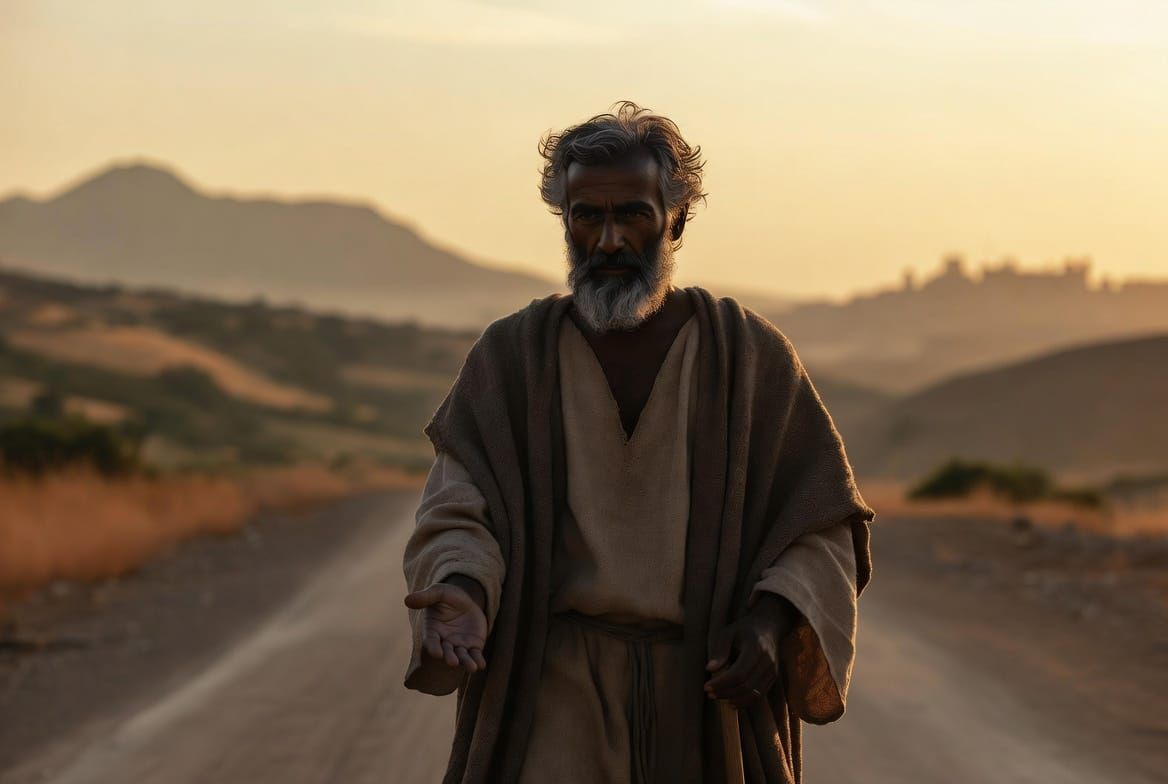
The Feast of Saint Barnabas the Apostle, 2026, Thursday in the Week of Proper 5
Matthew 10:7–16, Psalm 112, Isaiah 42:5–12 / Acts 11:19–30, 13:1–3
Grace, mercy, and peace be with you on this feast of Saint Barnabas the Apostle.
Today is June 11, the feast of Barnabas. For a fuller portrait of his life, his name, his kinship with Mark, and his place in the founding of the early Church, the feast day article is available at mountainvicar.com. This homily focuses on one thread: the passage Jesus gave Barnabas as his appointed Gospel, and what it tells us about the man.
The BCP 2019 appoints Matthew 10:7–16 as the Gospel for this feast. Those of you who will be in the pew this Sunday know that passage well; it is the heart of the Proper 6 Gospel reading we will open together on June 14, three days from now. The calendar is doing something deliberate. Barnabas arrives on Thursday, carrying this text. The commissioning of the Twelve arrives on Sunday, carrying the same text in fuller form. The feast is the prologue to the Sunday. And Barnabas is the face that the text puts on.
His name tells us who he is. Acts 4:36 introduces him: "Joseph, a Levite, a native of Cyprus, whom the apostles named Barnabas (which means son of encouragement)." (Acts 4:36, ESV) His given name was Joseph. The apostles gave him a new name, a nickname, really, because the name fit. He was Barnabas because encouragement was what he did. And what does encouragement look like in the New Testament? It looks like this: it looks like a man who sold a field and laid the money at the apostles' feet when the Jerusalem church was poor. It looks like a man who brought Paul, the former persecutor, the man everyone was still afraid of, to the apostles and vouched for him when no one else would. It looks like a man who, when the church at Antioch was growing and needed someone trustworthy, was sent to see what God was doing, and who, when he arrived, "was glad, and he exhorted them all to remain faithful to the Lord with steadfast purpose." (Acts 11:23, ESV) Encouragement is not sentimentality. Encouragement is presence plus purpose. It is showing up and then pointing people toward the Lord. That is Barnabas.
And now look at the passage appointed for his feast. Matthew 10:7–16. Jesus is commissioning the Twelve, and the instructions he gives them are a precise description of the life Barnabas actually lived. Verse 7: proclaim as you go that the kingdom of heaven is at hand. Barnabas traveled. Verse 8: heal the sick, give without pay. Barnabas gave away his land. Verses 9–10: acquire nothing for the journey; trust God's provision through the people you serve. Barnabas traveled with Paul on the first missionary journey with exactly this posture, dependent on the churches for support, giving everything and accumulating nothing. Verse 11: find the worthy house and stay there. Barnabas made his base at Antioch, the church that received him and from which he was sent. Verse 12: greet the house with peace. Verse 16: be wise as serpents and innocent as doves. Barnabas navigated the Jerusalem Council, the dispute over John Mark, and the Antioch confrontation with Paul, and somehow managed to remain a figure of trust and goodwill in all directions. Even in the painful split over John Mark, his cousin, Barnabas's encouraging spirit prevailed, taking Mark under his wing and investing in restoration (Acts 15:39; cf. 2 Tim 4:11).
The collect for his feast names three things God did through him: he sought not his own renown but the well-being of the Church; he gave generously of his life and substance for the relief of the poor; and he went forth courageously in mission for the spread of the Gospel.
Not his own renown. That phrase is worth pausing on. The history of the Church is full of people who did great things for their own renown, people who built ministries on their own name, whose gospel became inseparable from their personal brand, whose generosity had their name engraved on the building. In our own day we see the same temptation: the quiet desire to be noticed, to receive credit for our service, to ensure that our contributions are remembered and celebrated. Barnabas is the counter-example. He is the man who found Paul when Paul needed finding, who recommended him when no one else would, who stepped aside to let the better teacher teach while he played the supporting role. Paul went on to write half the New Testament. Barnabas went on to be called the Son of Encouragement. That comparison does not make Barnabas lesser. It makes him exactly the kind of person Jesus is describing in Matthew 10: someone who gives without pay, travels without accumulating, and serves without seeking the seat of honor.
Isaiah 42:5–12, the appointed Old Testament reading, is the second Servant Song: "I am the Lord; I have called you in righteousness; I will take you by the hand and keep you; I will give you as a covenant for the people, a light for the nations, to open the eyes that are blind, to bring out the prisoners from the dungeon, from the prison those who sit in darkness." (Isaiah 42:6–7, ESV) The Servant passage is first fulfilled in Jesus and then, by extension, in those who are sent in his name. The passage closes with a summons to the nations: "Sing to the Lord a new song, his praise from the end of the earth, you who go down to the sea, and all that fills it, the coastlands and their inhabitants." (Isaiah 42:10, ESV) Barnabas went to Cyprus and Antioch and Iconium and Lystra and Derbe, to the edges of the known Gentile world, opening eyes and declaring the light. The Isaiah text is the Old Testament ground of Matthew 10's commissioning. Both describe the same vocation. Barnabas lived it.
Acts 11:19–30 and 13:1–3 give us the two moments from his ministry that frame the whole. In Acts 11, the Jerusalem church hears that Gentiles in Antioch are coming to faith and sends Barnabas to investigate. He arrives, sees the grace of God, is glad, and stays; not to control but to serve. He then goes to Tarsus to find Paul, brings him back to Antioch, and spends a year teaching with him. Two men, a year of teaching, a whole church formed. The church at Antioch also takes up a collection for the believers in Jerusalem who are suffering under famine. Barnabas and Saul are the ones entrusted to carry the relief. The man who gave away his own field now carries the generosity of others. He keeps doing the same thing: giving, going, connecting, serving.
Then in Acts 13:1–3, the Holy Spirit speaks through the gathered prophets and teachers: "Set apart for me Barnabas and Saul for the work to which I have called them." (Acts 13:2, ESV) They fasted, prayed, laid hands on them, and sent them off. The first deliberate, planned missionary expedition in the history of the Church began with Barnabas. Not Peter. Not James. Barnabas. The Son of Encouragement who gave away his field and vouched for the persecutor and stayed in Antioch when he could have returned to Jerusalem. He was sent because he was the kind of person who could be sent.
That is Matthew 10:16 in a life: wise as a serpent, innocent as a dove. He understood people and situations and knew how to navigate them. And he was guileless; he sought not his own renown, he gave without calculation, he served without a platform. Jesus sends this kind of person. He is still looking for this kind of person.
The collect's petition is the application: "Grant, O God, that we may follow the example of your faithful servant Barnabas, who, seeking not his own renown but the well-being of your Church, gave generously of his life and substance for the relief of the poor, and went forth courageously in mission for the spread of the Gospel." (BCP 2019, p. 629) We may follow the example. Not just admire it from a distance. Follow it. Seek not our own renown but the well-being of the Church. Give generously: of life, of substance, of time and energy and money and the particular gift of seeing what others cannot see in the people God sends across our path. Barnabas saw something in Paul that the Jerusalem church was too afraid to see. Go forth courageously. These are the three petitions of the Barnabas collect, and they are the Matthew 10 instructions in prayer form. The feast of June 11 is not a historical commemoration. It is an invitation.
This Sunday we will open the commissioning of the Twelve in full. The laborers are few. The harvest is plentiful. And the Lord of the harvest is still in the business of taking ordinary people, giving them authority and a message, and sending them into a world full of harassed and helpless crowds. Barnabas went. He sought not his own renown. He gave freely because he had received freely. He is waiting, with the whole company of witnesses, to see what we do with the same commission.
In the Name of the Father, and of the Son, and of the Holy Spirit. Amen.